Location and Size of Mt. Elgon NP
Mount Elgon National Park, Uganda,
one of the 10 Ugandan national parks, lies in the eastern region of Uganda and extends into western Kenya, roughly
140 kilometers to the northeast of L. Victoria in East Africa.
The park straddles the
Uganda–Kenya border, with
1,110 km² located in Uganda (gazetted in 1992) and
169 km² in Kenya (gazetted in 1968). The volcano within the park—once among Africa’s highest mountain ranges—spans roughly
80 km in diameter and rises more than 3,000 m above the surrounding plains.Its highest peak, Wagagai, stands at
4,321 m, making it the fourth-highest summit in East Africa as well as the largest and oldest solitary volcanic mountain in East Africa.
The
Wagagai peak is very easy to scramble, and this does not even require special mountaineering skills.
The mountain’s elevated terrain offers a cool retreat from the warmer lowland plains and supports a wide diversity of flora and fauna.
Geography, Climate, and Weather in Mount Elgon NP
Mountain Elgon is an extinct mountain/volcano whose form bears witness to ancient eruptions and later erosion. The park’s volcanic structure includes
one of the world’s largest intact mountain calderas, roughly 40 km long by 8 km wide.
Its vegetation changes with altitude: lower slopes support tropical montane rainforest; between
2,500 and 3,000 m, mixed bamboo; from 3,000 to 3,500 m, heath zones; and above 3,500 m, afro-alpine moorlands dominate.Annual rainfall can reach up to
3,000 mm, and the park functions as a key water catchment area for over a million people in
Uganda and Kenya. The climate at higher elevations stays cool, offering relief from the plains below.
The best time for a
hiking Mount Elgon Uganda safari is during the
dry seasons—June to August and November to March—when trails are firmer and views clearer.
Nevertheless, the park remains accessible year-round, and the rains support the lush montane forest and high-altitude plants such as giant lobelias and groundsels.
History and Management of Mt Elgon NP in East Africa
In
1896, C. W. Hobley became the
first European to circumnavigate the mountain.
Stigler and Kmunke are people who made the first recorded ascent to the
Koitobos and Wagagai in 1911.
Jackson, F., J. Martin, and E. Gedge were the first people to make a record of assenting to
Sudek in the year 1890.The protection of Mount Elgon began in
1929 when the Ugandan portion was designated a Forest Reserve.
In
1937, the boundary was defined, followed by its status as
Mount Elgon Crown Forest in 1940 and later a
Central Forest Reserve in 1951. Uganda officially gazetted the area as a
national park in 1992, while the
Kenyan section became a
national park in 1968.The park is jointly managed by the
Uganda Wildlife Authority (UWA) and the Kenya Wildlife Service (KWS). It has been recognized by
UNESCO as a Man and Biosphere Site due to its botanical diversity and ecological value.
Local communities—including the
Bagisu and Sabiny tribes—have agreements with park authorities to sustainably harvest natural resources like bamboo poles and shoots, supporting community-based tourism and conservation.
- Location: Eastern Uganda and western Kenya, northeast of Lake Victoria
- Size: 1,279 km² (Uganda: 1,110 km²; Kenya: 169 km²)
- Highest Peak: Wagagai – 4,321 m above sea level
- Geological Feature: One of the world’s largest intact calderas
- Status: UNESCO Man and Biosphere Reserve
- Vegetation: Montane forest, mixed bamboo, heath zone, and afro-alpine moorlands
- Wildlife: Elephants, buffalo, small antelope, giant forest hog, forest monkeys, and over 300 bird species
- Cultural Significance: Sacred to the Bagisu, who call it Masaba, after their founding father
- Hiking Trails: Sasa, Piswa, Sipi trails—various trekking options and self-guided walking trails
- Unique Features: Kitum Cave, Koitoboss Peak, Endebess Bluff, hot springs in the former volcano’s crater, and ancient cave paintings in Mt Elgon caves
Mount Elgon’s slopes present a layered landscape: dense montane forest on the lower mountain slopes transitions to afro-alpine Heathlands at higher altitudes.
At elevations between
1,500 and 2,500 m, tropical montane forest species such as
olive, Elgon teak, and podocarpus thrive, often wrapped in vines and epiphytes. Between
2,500 and 3,000 m, mixed bamboo dominates. From
3,000 to 3,500 m, the heath zone features
giant heather and wildflowers such as gladioli and delphiniums. Above
3,500 m, Mt. Elgon's deserted moorlands unveils endemic plant species like
Lobelia elgonensis and Carduus afromontanus, creating a unique landscape.
Wildlife and Birdlife
While many larger animals in
Mountain Elgon National Park, Uganda are elusive due to dense forest cover, visitors may spot species like black-and-white colobus monkeys, vervets, duikers, and bushbuck. Elephants, buffalo, blue monkey types, and leopards are present but less frequently observed.
The park is also an
Important Bird Area (IBA), with more than
300 recorded bird species. Rare species include the endangered Lammergeyer, Jackson’s Francolin, and the Black-collared Apalis.
Birdwatching is one of the key activities on a
Mount Elgon Uganda safari, with species like
Hartlaub’s Turaco and Alpine Chat found in the forest and moorlands.
On the higher slopes of
Mount Elgon lie numerous caves formed by
lava flows and erosion. The best-known of these,
Kitum Caves, extends about
200 meters into the mountain and was traditionally used by locals and their livestock for shelter.
Other accessible caves include
Kapkwai and Khauka, reached via the
Kapkwai Forest Exploration Centre. Some caves, such as
Hunters Cave and Mude Cave, are used as overnight stops for trekkers, giving insight into both geological history and cultural use.
The Caldera, Peaks, and Hot Springs
The dominant geological feature of Mount Elgon is its
expansive mountain caldera, one of the largest intact in the world. The summit
Wagagai (4,321 m) overlooks this caldera and is joined by Sudek (4,303 m), Koitoboss (4,222 m), and Mubiyi (4,210 m), forming its rim.
Hot springs at
Suam Gorge and Simu Gorge, where water has cut through volcanic ash, add to the geological attraction.
Unlike many mountains, hiking to the highest point of Mount Elgon offers varied terrain—the final ascent and then descent into the caldera are both rewarding and different from a standard climb.

Named after explorer
Frederick Jackson, who first reached the summit in
1889, Jackson’s Pool (4,050 m) and Jackson’s Peak (4,165 m) are distinctive features. The shallow natural pool lies under the volcanic plug of
Jackson’s Peak, which is still a sacred place for local communities wishing to connect with their ancestors.
Hiking Trails
- Sasa Trail: The shortest route but the steepest; takes about four days. Begins at about 1,250 m and includes a first-day ascent of 1,650 m.
- Sipi Trail: Begins at the Kapkwai Forest Exploration Centre (2,050 m), offers a moderate route and good scenery.
- Piswa Route: Known for sweeping views of Uganda’s Karamoja Plains and Kenya’s Kapeguria and Nandi Hills.
- Endebess Bluff Trail: A shorter walk of about two hours from the trailhead to a scenic lookout.
These untamed wilderness trails are major highlights for a
hiking Mount Elgon Uganda safari and offer options for different ability levels.
Tourist Attractions Outside the Mount Elgon Park
Just outside the park in Kapchorwa District,
Sipi Falls comprises
three waterfalls. The main fall drops around
100 m, Simba Falls plunges 69 m over a cave entrance, allowing visitors to go behind the sheet of water, and
Ngasire Falls (87 m) flows over a high ridge. Located about an hour’s drive from Mbale, these falls are highly recommended when planning things to do on
Mount Elgon Uganda safaris. Tewei Hill
Overlooking Sipi Falls, Tewei Hill is a historical site where
Sabiny King Chemonges Kingo met his people in the
1960s. The hill offers spectacular views over Sipi Falls, Wagagai Peak, and the Karamojong plains—a good blend of nature and cultural tourism.
Matheniko-Bokora and Pian Upe Wildlife Reserves
Situated in the
Karamoja hot plains, these reserves contain rare species such as the roan antelope, Bright’s gazelle and ostriches—animals found only here and in
Kidepo Valley National Park. The area also features rock paintings believed to be over
3,000 years old, created by
Kushite and Nilotic peoples. Birdlife around
Loporokocho Swamp includes species like
Hartlaub’s Turaco and Lemon Dove.Nyero Rock Paintings
Located about 65 km north of Mbale in Kumi District, the
Nyero Rock Paintings are among
Uganda’s finest ancient art sites. Panel Two, which depicts canoes and human figures, is especially vivid and gives a window into the region’s distant past. If you are planning a
Mount Elgon Uganda safari, including Nyero adds a strong cultural dimension.
Hiking and Trekking: The park offers three main routes—the Sasa Trail (4 days, the shortest and toughest), the Piswa Trail (7 days, 49 km), and the Sipi Trail (4–6 days, 56 km, the longest). These cross features such as the caldera, hot springs, and scenic points like Endebess Bluff and Koitoboss Peak.
Options exist for trans-boundary hiking (starting in Uganda and descending into Kenya). A hike on Mount Elgon is distinct from the summit-oriented approach common in many peaks (not even Mount Kenya) and highlights both ascent and descent through the varied terrain of untamed wilderness.
Birdwatching: With over 300 bird species and about 40 restricted-range species, Mount Elgon is a premier birding destination in Uganda. The Forest Exploration Centre offers good circuits for observing rare and endemic species.
Cave Exploration: Hikers can explore caves such as Kitum, Kapkwai, and Khauka. These add geological interest and cultural history to a
Mount Elgon, Uganda, safari.Horse Riding: Available in selected areas, horse riding on the lower slopes offers an alternative way to experience the park’s landscapes.
Cultural Visits: Engage with the Bagisu and Sabiny tribes, who practice subsistence farming and hold traditional circumcision ceremonies every two years as passages into adulthood. The Sabiny speak Sebei, while the Bagisu speak Lugisu (a dialect of Lumasaba).
Top-Notch Accommodation in and Near Mountain Elgon National Park
When planning your
Mount Elgon, Uganda safari, here are recommended places to stay:
- Mount Elgon Hotel and Spa (Mbale, luxury): A comfortable, romantic option near coffee plantations and close to park booking offices.
- Sipi River Lodge (Kapchorwa, luxury): Offers superb views of both Sipi Falls and Mount Elgon.
- Kapkwai Cottages (budget): Situated near the park entrance, ideal for hikers on a tighter budget.
- Public Campsites: Located along major trails with basic facilities; no advanced booking required.
- Elgon Lodge: Offers cozy facilities for those exploring the untamed wilderness in the eastern region.
Costs of Visiting Mount Elgon National Park, East Africa
Entry fees for Mount Elgon NP Uganda, vary depending on whether you are a resident or non-resident; these are set by the
Uganda Wildlife Authority and Kenya Wildlife Service. It is best to check with the official agencies for current pricing.
Additional costs include mandatory guide fees for hiking, accommodation, and transport to and from the park's main gate. As the trails on Mount Elgon do not require specialist climbing gear, costs tend to be lower than for many summit-only mountains.
Getting to Mountain Elgon National Park, Uganda
Mount Elgon National Park Uganda is approximately
235 km east of Kampala, accessible by a paved road through
Jinja to Mbale, followed by a dirt road to trailheads such as the
Forest Exploration Centre or Chorlim Gate (also the main park headquarters).
From Nairobi, drive to Kitale town, then follow sign-posted roads to the park. Alternatively, fly to Eldoret Airport (about 70 km from the park) and travel by road or public transport to Mbale or Kapchorwa.
Best Time to Visit Mt. Elgon Park
The best seasons for a Mount Elgon, Uganda, safari are the dry periods, June-August and November-March, when trails are easier and skies clearer for hiking and sightseeing. Nonetheless, the park is open year-round, and wildflowers bloom particularly well in September.
Packing List for Mount Elgon National Park
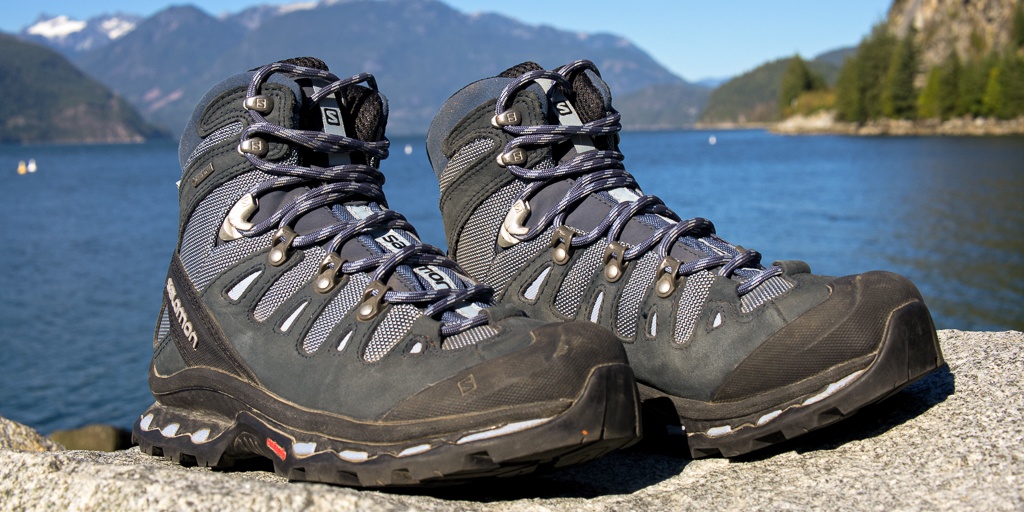
- Clothing: Layered warm clothing for higher elevations, rain gear, sturdy hiking boots for the untamed wilderness
- Essentials: Water, food snacks, flashlight, altitude-sickness medicine, first-aid kit
- Camping Gear: Tent and sleeping bag for longer treks
- Navigation Tools: Map, compass, or GPS device for self-guided walks
- Other Items: Binoculars (for a spectacular view during birdwatching), sunscreen, insect repellent and camera to take pictures of the vast form of Elgon's vistas and untamed wilderness
Other Uganda National Parks to Combine with Mt Elgon Park Safaris
If you are planning a wider Uganda safari itinerary, consider combining Mount Elgon with other national parks:
- Kidepo Valley National Park: Known for rare species like ostriches and roan antelope.
- Murchison Falls National Park: Features the dramatic Murchison Falls and excellent game drives.
- Kibale Forest National Park: Home to about 1,450 chimpanzees and 13 primate species.
- Queen Elizabeth National Park: Offers a wildlife corridor with Kibale and diverse fauna.
- Bwindi Impenetrable National Park: A UNESCO site for mountain gorilla trekking.
- Mgahinga Gorilla National Park: Uganda’s smallest park, also home to gorillas.
- Lake Mburo National Park: Ideal for birding with over 300 species, including the shoebill.
- Rwenzori Mountains National Park: Known for snow-capped peaks and challenging hikes.
- Semliki National Park: Offers hot springs and unique birdlife.
Essential Guidelines for Elgon Park Visitors
To ensure your safety, protect wildlife, and respect local communities while exploring this stunning transboundary park (shared between Kenya and Uganda):
- Always adhere to regulations set by the KWS and Uganda Wildlife Authority (UWA).
- Stay on marked, frequently visited, and self-guided walking trails to prevent getting lost in the untamed wilderness.
- Show respect for local tribes such as the Bagisu and Sabiny during cultural encounters.
- Do not disturb wildlife, particularly in sensitive areas like Kitum Cave.
- Bring plenty of water and food, as facilities are minimal in the remote wilderness.
- Hire licensed local guides for hiking and cave excursions—they are mandatory for safety.
Following these rules guarantees a safe and responsible experience for you and the park’s animals.
Major Threats Facing the Elgon Park
Despite its rich biodiversity and Man and Biosphere Site status (UNESCO), Elgon faces serious challenges:
- Deforestation from illegal logging is degrading the unique montane forests.
- Human encroachment, especially by communities such as the Ndorobo, is shrinking protected areas.
- Poaching targets rare species, including the lammergeyer (bearded vulture) and giant forest hogs.
- Climate change, which disrupts rainfall patterns, affects hot springs, and threatens botanical richness.
Ongoing Conservation Successes
KWS and UWA, with support from UNESCO and local communities, are actively countering these threats through:
- Large-scale reforestation projects are underway to restore the montane jungle cover and preserve the untamed wilderness.
- Community-benefit agreements that permit sustainable harvesting of resources are ongoing (e.g., natural minerals).
- Intensified anti-poaching patrols and monitoring of endangered wildlife.
- Education and awareness programs encouraging neighboring tribes to adopt eco-friendly practices are ongoing as well.
Thanks to these collaborative efforts, the extraordinary biodiversity of Mount Elgon National Park continues to be protected for future generations.
- Prime Safaris and Tours Ltd
- Wild Gorilla Safaris
- Safari Uganda Safaris
- Gorilla Safaris and Tours
- A Uganda Safari
- Africa Safaris Tours
- Uganda Birding Safaris
- Gorilla Trekking Uganda
- Kampala City Tour
- Self-Drive Car Hire Rentals Uganda
- Car Hire Rentals Uganda Kampala
Map of Mt. Elgon NP
Mount Elgon National Park, Uganda FAQs
- What Is Mount Elgon National Park Known For?
Mount Elgon is famous for its extinct volcano/mountain, its vast, intact mountain caldera, and its UNESCO Biosphere Site status. It offers hiking, birdwatching, cave exploration (like Kitum Cave), and strong cultural links to the Bagisu and Sabiny peoples.
- What Animals Are in Mount Elgon National Park?
The park features elephants, buffalo, small antelopes, forest monkeys (e.g., blue monkeys, colobus) and more than 300 bird species, including rare birds such as the Lammergeyer and Jackson’s Francolin.
- What Are the Charges at Mountain Elgon National Park?
Entry fees differ for residents vs. non-residents. You should check with the Uganda Wildlife Authority or KWS for current amounts. Additional costs include guide fees and lodging; specialist mountaineering gear is not required.
- Where Is Mount Elgon Located?
It lies along the Uganda–Kenyan border, northeast of Lake Victoria. It is about 235 km east of Kampala and accessible by road from Nairobi via Kitale.
- How Much Does It Cost to Climb Mountain Elgon?
Costs for a Mount Elgon, Uganda, safari include park entry, guide and porter fees, accommodation (lodges or campsites), and transport. Contact UWA, KWS or your tour operator for up-to-date pricing.
- Which Country Owns Mount Elgon?
Mountain Elgon is shared by Uganda and Kenya. Each country manages its side of the mountain through its own wildlife authority.
ConclusionDiscover the untouched majesty of Elgon NP: ancient forests, dramatic caves, rare wildlife, and warm tribal cultures. Lace up your boots, join a guided trek, and experience Uganda’s hidden volcanic giant. Book your Mount Elgon hiking safari with us today and enjoy an adventure like no other!
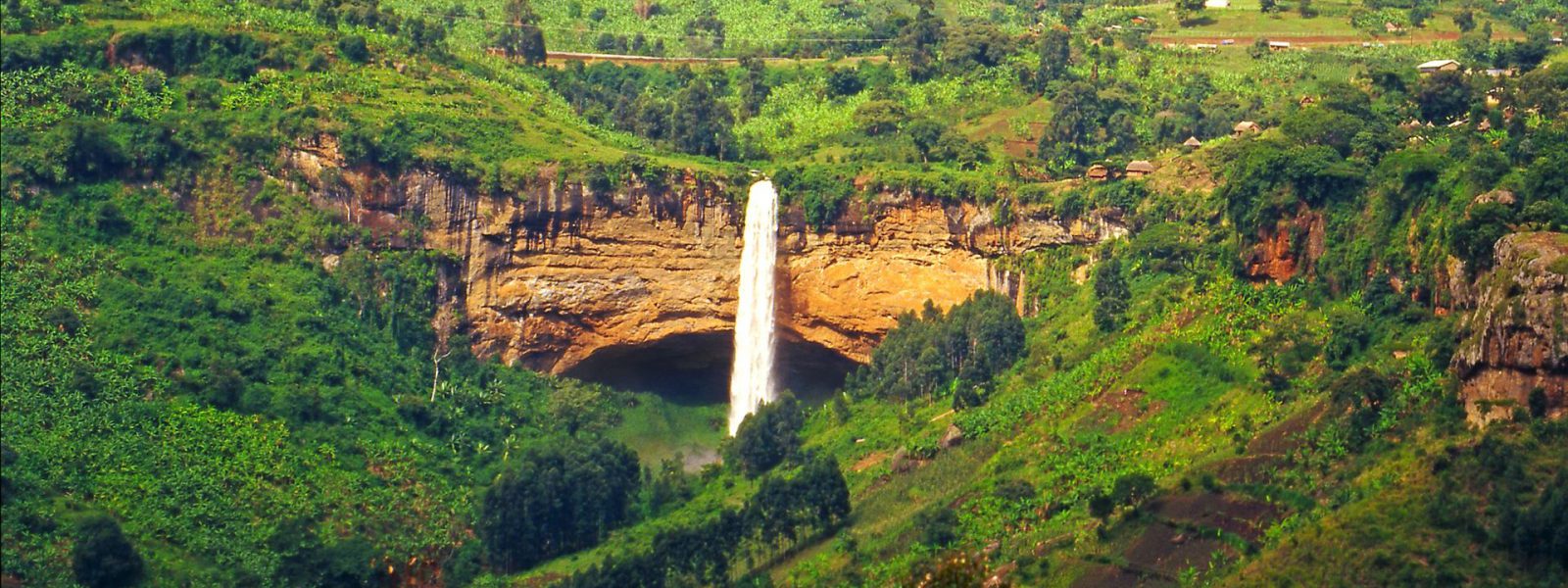 Just outside the park in Kapchorwa District, Sipi Falls comprises three waterfalls. The main fall drops around 100 m, Simba Falls plunges 69 m over a cave entrance, allowing visitors to go behind the sheet of water, and Ngasire Falls (87 m) flows over a high ridge. Located about an hour’s drive from Mbale, these falls are highly recommended when planning things to do on Mount Elgon